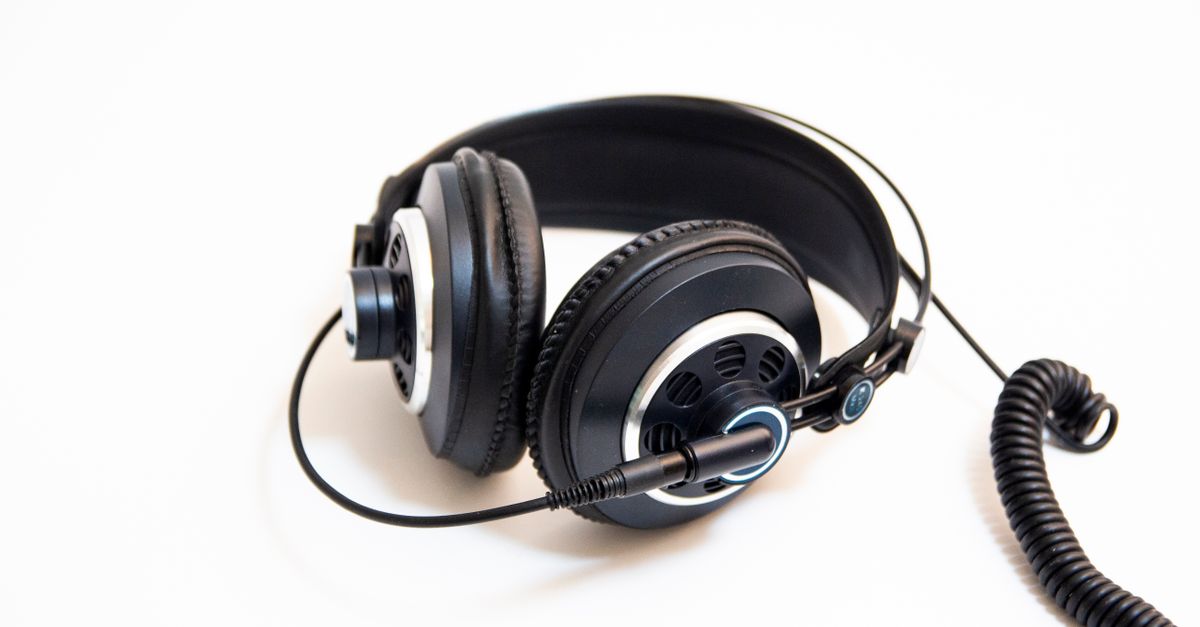
You’re home, maybe unwinding after a long day, or deep into a gaming session, or even just working on your passion project. You reach for your headphones, expecting that familiar escape, only to find them clamping down, making your ears sweat, and sealing you off from everything around you. In my experience, this scenario is all too common with closed-back headphones, which are often the default choice. But what if there was another way to listen at home that offered more comfort, a wider soundstage, and a less isolating experience?
For years, the audiophile community has championed open-back headphones for their superior sound quality. Many assume these specialized cans are exclusively for those with a dedicated listening room and a bank account to match. The mistake I see most often is regular home listeners dismissing them outright, believing they’re too expensive, too niche, or simply too loud for anyone else in the house. What changed everything for me was realizing that many of the benefits of open-back designs translate directly to a better, more practical home listening experience for everyone, not just those chasing sonic perfection.
Key Takeaways
- Open-back headphones offer superior comfort and breathability over long listening sessions, reducing ear fatigue and heat buildup.
- Their expansive soundstage creates a more natural, ‘room-like’ audio experience, enhancing immersion in music, movies, and games.
- The slight sound leakage allows for better situational awareness at home, a crucial safety and convenience factor.
- You don’t need expensive dedicated gear to appreciate the core benefits; many mid-range models offer excellent value.
1. You Gain Unrivaled Comfort and Breathability
The most immediate and tangible benefit of open-back headphones for the average home listener isn’t about esoteric sound nuances; it’s about pure, unadulterated comfort. Think about your typical closed-back headphones. They create a seal around your ears, trapping heat and moisture. After an hour or two, you start to feel it: the sweat, the pressure, the uncomfortable clamminess. This isn’t just a minor annoyance; it’s a distraction that pulls you out of your music or game. In my experience, this constant battle against discomfort is the number one reason many people limit their listening sessions.
Open-back headphones fundamentally solve this problem through their design. The earcups aren’t sealed; instead, they have perforations, grilles, or mesh that allow air to freely circulate. This ventilation prevents heat buildup and dramatically reduces sweating. The result is a much more comfortable listening experience, even during marathon sessions. I can wear my open-backs for an entire afternoon of work or an extended gaming binge without once feeling the urge to take them off just to air out my ears. The difference is night and day. This isn’t a luxury reserved for critical listening; it’s a practical ergonomic advantage that makes a huge impact on enjoyment and listening endurance at home.
2. You Experience a More Natural, Expansive Soundstage
Beyond comfort, the ‘open’ design of these headphones profoundly impacts how you perceive sound. Closed-back headphones, by their very nature, create a contained sonic environment. The sound waves bounce around inside the sealed earcup, often giving the impression that the music is originating from inside your head. While some closed-back designs mitigate this, it’s a fundamental characteristic.
Open-back headphones, however, allow sound waves to escape outwards. This means the sound isn’t trapped and reverberating in a small, enclosed space. Instead, it feels like the audio is coming from outside the headphones, spread across a wider, more natural soundstage. Instruments and vocals gain better separation, and you can more easily pinpoint their position in the perceived space. It’s less like listening to a recording and more like being in the same room as the performance. For music, this translates to a more immersive and engaging experience, especially with live recordings or complex orchestral pieces. For movies and gaming, it adds a new dimension of realism, making positional audio cues more distinct and environmental sounds feel truly ambient.
In my gaming setup, switching from closed-back to open-back for titles like ‘Cyberpunk 2077’ or ‘The Last of Us Part II’ was transformative. The world felt bigger, the echoes in a cavern more realistic, and enemy footsteps more accurately placed. You’re not just hearing the game; you’re feeling a part of its sonic landscape. This isn’t about being an ‘audiophile’; it’s about genuinely enhanced immersion that any home user can appreciate.
3. You Maintain Crucial Situational Awareness at Home
One of the most frequently cited ‘downsides’ of open-back headphones is their sound leakage. Yes, sound from your headphones can escape into the room, and some ambient sound from the room can get in. However, for home listening, this isn’t a drawback—it’s often a significant advantage, particularly for parents, remote workers, or anyone living with others.
With closed-back, noise-isolating headphones, you’re essentially cut off. You might miss the doorbell, a crying baby, or a family member trying to get your attention. This can lead to frustration, missed opportunities, and even safety concerns. Open-back headphones strike a balance. They provide excellent audio quality for your content, but they allow enough ambient sound to filter in that you’re not completely oblivious to your surroundings. You can hear if someone calls your name, if the microwave timer goes off, or if there’s an unexpected knock at the door.
As someone who works from home and has a family, this situational awareness is invaluable. I don’t have to constantly pull my headphones off to check if someone’s talking to me. It integrates my listening experience into my home environment, rather than sealing me off from it. This practical benefit alone, in my opinion, outweighs any perceived disadvantage of sound leakage for the majority of home users.
4. You Can Find Great Value Without Breaking the Bank
A common misconception is that open-back headphones are exclusively high-end, requiring hundreds or even thousands of dollars. While there are certainly audiophile-grade options that fit this description, the market has expanded significantly. Today, you can find excellent open-back headphones that deliver substantial improvements over their closed-back counterparts without emptying your wallet. Many reputable brands offer fantastic entry-to-mid-level open-back models in the $100-$300 range that provide a significant upgrade in comfort and soundstage.
For example, models like the Philips SHP9500 (often under $100) or the Sennheiser HD 560S (around $200) are frequently recommended as fantastic starting points. These headphones offer the core benefits of open-back design—improved comfort, wider soundstage, and natural sound—at prices competitive with many popular closed-back gaming headsets or ‘lifestyle’ headphones. You don’t need a dedicated DAC/amp for these either; most modern devices can drive them sufficiently for casual listening. The key is to look beyond the perception that ‘open-back’ automatically means ‘expensive’ and explore the accessible options that provide genuine value for home use.
5. You Experience Reduced Ear Fatigue Over Long Sessions
This point builds on comfort but focuses specifically on auditory fatigue, not just physical discomfort. The trapped sound within closed-back headphones, combined with the lack of air circulation, can contribute to a phenomenon known as ‘listener fatigue.’ This is when your ears and brain simply get tired of processing sound in an unnaturally confined space. It’s why you might feel mentally drained after a long session with noise-canceling or tightly sealed headphones, even if the music wasn’t particularly loud.
Open-back designs, by allowing sound to dissipate naturally, create a less fatiguing listening environment. The sound isn’t constantly reverberating against your eardrums in a closed chamber. This leads to a more relaxed and natural listening experience that you can enjoy for much longer without feeling mentally worn out. In my own use, this has meant the difference between needing to take frequent breaks from my audio during work or entertainment, and seamlessly enjoying hours of uninterrupted sound without that nagging feeling of needing a ‘rest from listening.’ It’s a subtle but powerful benefit that enhances the overall quality of your home audio time.
6. You Need Less Amplification for Satisfying Volume
Another practical advantage, often overlooked, is that open-back headphones often require less power to achieve a satisfying listening volume compared to many closed-back designs. While there are exceptions, many popular open-back models are designed with higher impedance but also higher sensitivity, meaning they can get quite loud even when driven by a standard phone, laptop, or game controller. This is particularly true for mid-range models targeting the broader market.
This means you might not need to invest in a dedicated headphone amplifier to get a great experience, especially if your primary use is at home with devices that have decent built-in audio hardware. While an amplifier can certainly enhance the sound further, it’s not a prerequisite to enjoying the core benefits of open-back designs. This saves you money and reduces clutter, making the transition to open-back headphones even more accessible for the average home listener. I’ve often found my laptop’s audio output more than sufficient for my daily listening with my favorite open-back cans, reserving the amp for more critical sessions.
7. You Get a Healthier Listening Experience, Less Pressure
The sealed nature of closed-back headphones can create a slight pressure differential around your ears. While often subtle, this constant pressure, combined with trapped heat and moisture, isn’t ideal for long-term ear health or comfort. It can exacerbate conditions like ear canal irritation or even contribute to a feeling of ‘fullness’ in the ears.
Open-back headphones, by allowing air to flow freely, eliminate this sealed pressure. This creates a much more natural and less intrusive physical sensation on and around your ears. It’s akin to the difference between having a tight cap on your head versus a loose-fitting hat. This reduction in pressure, coupled with improved ventilation, contributes to a healthier and more comfortable overall listening experience, particularly for individuals sensitive to ear pressure or prone to heat buildup. It’s a small detail that, over hundreds of hours of listening, makes a significant difference in how your ears feel.
Frequently Asked Questions
Are open-back headphones suitable for public use?
No, open-back headphones are generally not suitable for public use. Their design allows sound to leak out significantly, meaning your audio will be audible to those around you, and ambient noise will easily enter your listening experience. They are best reserved for quiet environments like your home or a private office.
Do I need a special amplifier for open-back headphones?
Not necessarily. While some high-impedance open-back headphones benefit greatly from a dedicated headphone amplifier, many popular mid-range models are efficient enough to be driven to satisfying volumes by standard devices like laptops, phones, or game controllers. It’s always a good idea to check the specific impedance and sensitivity ratings of the headphones you’re considering.
Will everyone in my house hear my music if I use open-back headphones?
Sound leakage is a characteristic of open-back headphones. The extent to which others hear your music depends on your listening volume and the proximity of others. At moderate volumes, the leakage is usually manageable for people in the same room, often sounding like faint background noise. For privacy or silent environments, they are not ideal, but for general home use, it provides a balance of awareness without being overly disruptive.
Are open-back headphones more fragile than closed-back ones?
Durability isn’t inherently tied to the open-back design. Many open-back headphones are built with robust materials and high-quality construction. However, the exposed grilles or mesh can be more vulnerable to dust, spills, or physical impact compared to a sealed earcup. Proper care and storage are always recommended for any quality pair of headphones.
Can open-back headphones offer noise cancellation?
No, open-back headphones do not offer noise cancellation. Their design, which allows sound to pass freely, is antithetical to noise-canceling technology, which relies on creating a seal and using electronics to block external sounds. If noise cancellation is a priority, you’ll need to look at closed-back or in-ear monitor (IEM) options.
Conclusion
For too long, open-back headphones have been pigeonholed as a niche product for hardcore audiophiles. This misses the point. The fundamental design choices—prioritizing natural sound and physical comfort over isolation—offer tangible, everyday benefits that can transform the home listening experience for anyone. From the sheer relief of breathable earcups during long gaming sessions to the immersive, expansive soundstage that makes music come alive, open-back designs are about more than just numbers on a spec sheet. They’re about making your time with audio more comfortable, more engaging, and more integrated with your home life.
If you’ve been living with the discomfort and sonic limitations of closed-back headphones at home, I urge you to consider an open-back pair for your next upgrade. You might just find that what was once considered an ‘audiophile’ luxury is actually a practical necessity for truly enjoyable home listening.