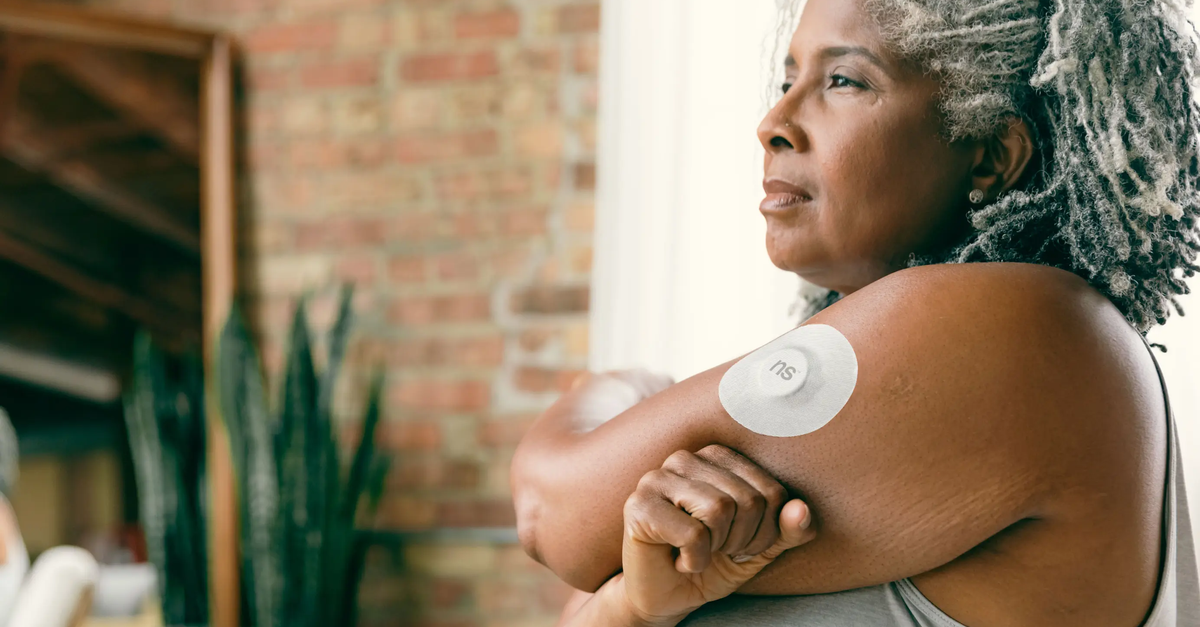
When I first strapped on a continuous glucose monitor (CGM), my goal was simple: get a clearer picture of my blood sugar fluctuations throughout the day. I’d been hearing a lot of buzz about how CGMs, once primarily for people with diabetes, were becoming popular among fitness enthusiasts and biohackers looking to optimize their health. My A1C had always hovered in the high-normal range, and I suspected my occasional energy crashes and difficulty managing weight might be linked to glucose spikes and dips I wasn’t aware of. I’d been tracking my food and exercise for years with various apps, but the data felt disconnected from how I physically felt. The promise of a real-time, minute-by-minute stream of glucose data felt like a game-changer. I envisioned a direct link between what I ate, how I moved, and my body’s immediate response. What I didn’t expect was how much my preconceived notions about ‘healthy’ eating were about to be shattered, and how deeply I would have to challenge conventional wisdom around diet and exercise to find what genuinely worked for my body. This wasn’t just about numbers; it was about truly listening to my physiology.
Key Takeaways
- Individual glucose responses to identical foods vary wildly, making blanket dietary advice often unhelpful.
- Strategic meal timing, especially consuming fats and proteins before carbs, dramatically blunts glucose spikes.
- Short bursts of post-meal movement are far more effective at normalizing glucose than prolonged, separate exercise sessions.
- The real value of a CGM isn’t just seeing numbers, but using them to iteratively test and refine personal dietary and lifestyle choices over time.
Your ‘Healthy’ Meal Might Be Causing Chaos
Before wearing a CGM, I had a pretty standard idea of what constituted a healthy meal. Think oatmeal with fruit for breakfast, a whole-wheat sandwich for lunch, and plenty of brown rice with lean protein and veggies for dinner. I was following the general guidelines, aiming for whole grains and ample produce. The mistake I see most often, and one I certainly made, is assuming that because a food is labeled ‘healthy’ or ‘whole,’ your body will process it optimally. The CGM showed me otherwise, often quite dramatically.
My morning oatmeal, for example, was a staple. I’d dutifully measured out my rolled oats, added a banana, and a drizzle of honey. What changed everything for me was seeing my glucose spike into the 160-180 mg/dL range within 45-60 minutes after eating it. For context, a non-diabetic person typically stays below 140 mg/dL post-meal. This wasn’t just a gentle rise; it was a rollercoaster. The subsequent crash often left me feeling sluggish and hungry within two hours. This single data point forced me to question everything. I tried steel-cut oats, thinking the fiber difference would matter, but the spike was only marginally less severe. Even a bowl of plain white rice, something I rarely ate, sometimes produced a lower spike than my ‘healthy’ brown rice, which surprised me. The common misconception is that all complex carbs are equal, but my CGM revealed a highly individualized response. What might be perfectly fine for one person’s glucose could send another’s soaring. This led me to truly understand the concept of glycemic variability and how my body reacted uniquely to different carbohydrate sources, regardless of their perceived health status. It wasn’t just the type of carb, but the context and my personal physiology.
The Power of ‘Pre-Loading’ and Meal Sequencing
One of the most impactful strategies I discovered, purely through CGM experimentation, was meal sequencing. I’d read about it in passing, but seeing the real-time data made it undeniable. The principle is simple: consume fiber, fats, and proteins before carbohydrates. The idea is that these macronutrients create a ‘net’ in your digestive system, slowing down the absorption of glucose when carbohydrates eventually arrive, thus blunting the post-meal spike.
My initial approach to meals was to mix everything together or eat whatever I felt like first. For instance, with a meal of chicken, salad, and a side of sweet potato, I’d just dive in. The CGM would show a significant spike. Then, I consciously tried a different order: first, a large green salad with olive oil dressing (fiber and fat), then the chicken (protein and fat), and finally, the sweet potato (carb). The difference was remarkable. My post-meal glucose peak would drop by 30-50 mg/dL, often staying well below the 140 mg/dL threshold. For instance, a meal that previously hit 170 mg/dL might now peak at 120-130 mg/dL, and the curve would be much gentler.
This wasn’t about avoiding carbs entirely, which I initially thought I’d have to do. It was about managing their impact. I applied this to my morning routine as well. Instead of oatmeal first, I’d start with a handful of nuts and a small bowl of Greek yogurt. After 15-20 minutes, I’d have a smaller portion of steel-cut oats. Again, a noticeably flatter glucose curve. This strategy fundamentally changed how I constructed my plates and thought about the order of consumption, allowing me to enjoy a wider variety of foods without the dramatic blood sugar fluctuations.
Embrace Micro-Movements, Not Just Macro Workouts
I considered myself fairly active before the CGM. I’d hit the gym a few times a week, go for long walks, and generally try to meet the recommended 150 minutes of moderate-intensity exercise. However, my glucose data revealed that while those longer workouts were great for overall fitness, they weren’t always enough to counteract the immediate impact of a carb-heavy meal.
What changed everything for me was integrating short, post-meal walks. Even a brisk 10-15 minute walk within 30 minutes of eating a meal had an astonishing effect on my glucose curve. If I ate a meal that would typically spike to 150 mg/dL, a quick walk afterward could bring that peak down to 110-120 mg/dL, and the return to baseline would be much faster. It acted almost like an immediate, localized glucose sponge. This was a concrete, measurable difference I could see in the data. My longer, more intense gym sessions, while beneficial, didn’t provide the same immediate glucose-lowering effect after every single meal in the same way these micro-movements did.
This insight wasn’t about replacing my regular workouts but augmenting them. I started building these short walks into my daily routine, even if it was just pacing around my apartment or doing some light housework. It made a significant difference in minimizing post-meal spikes and reducing the subsequent energy dips. The common misconception is that all exercise is equally effective for glucose control, but the CGM clearly showed the specific timing of movement around meals to be a powerful, often overlooked, lever.
The Real A1C Shift: Consistency Over Perfection
My primary motivation for using the CGM was to see if I could bring my high-normal A1C (around 5.6%) down. After two months of diligently tracking, experimenting with meal sequencing, and incorporating post-meal micro-movements, I re-tested my A1C. It had dropped to 5.2%. While that might seem like a small number, it moved me firmly into the optimal range and represented a significant improvement in my average blood glucose over a sustained period.
This shift wasn’t due to a radical diet overhaul or extreme deprivation. In my experience, it was the cumulative effect of small, consistent adjustments. The CGM allowed me to identify my personal glucose triggers, understand the optimal way for my body to process certain foods, and integrate simple, effective habits like meal sequencing and post-meal walks. The real value of the CGM wasn’t just in showing me what was ‘bad’ or ‘good’ in isolation, but in providing immediate feedback that enabled me to iteratively refine my approach. It provided tangible data that reinforced positive behaviors and allowed me to quickly course-correct when something wasn’t working. Without that continuous feedback, it’s incredibly difficult to pinpoint the specific levers for improvement, leading many to give up on broader, less-informed dietary changes that yield minimal results.
The biggest takeaway for me was that optimizing glucose isn’t about rigid rules; it’s about personalized understanding and consistent, informed adjustments. The numbers didn’t lie, and they empowered me to make changes that genuinely impacted my long-term metabolic health.
Frequently Asked Questions
Can a non-diabetic person benefit from a CGM?
Absolutely. While CGMs were originally designed for diabetes management, many non-diabetic individuals, especially those focused on fitness, metabolic health, or preventing future conditions, find immense value in understanding their unique glucose responses. It can reveal hidden spikes and dips that affect energy, weight, and overall well-being.
How accurate are wearable CGMs compared to traditional blood tests?
Wearable CGMs measure glucose in interstitial fluid (the fluid surrounding cells), not directly in blood. While highly correlated, there can be a slight lag (typically 5-10 minutes) and minor differences in readings compared to a finger-prick blood test. However, for tracking trends and responses to food and activity, they are remarkably accurate and provide far more continuous data than intermittent blood tests.
Do I need a doctor’s prescription for a wearable CGM?
Yes, in most regions, continuous glucose monitors are considered medical devices and require a prescription from a doctor, even for non-diabetic use. Some direct-to-consumer health programs may facilitate this, but it’s important to consult with a healthcare professional to ensure it’s appropriate for your individual health needs.
Is it normal to see glucose spikes after eating ‘healthy’ foods?
Yes, it’s very common, and it was one of my biggest surprises. Foods often perceived as ‘healthy,’ like oatmeal, fruit, or whole-grain bread, can still cause significant glucose spikes in some individuals due to their carbohydrate content. The response is highly individual, influenced by genetics, gut microbiome, and the specific food matrix. This is precisely where a CGM provides valuable, personalized insight.
How long should I wear a CGM to get meaningful data?
From my experience, a minimum of two weeks is generally recommended to get a baseline understanding of your glucose patterns across different meals and activities. However, for deeper insights and to implement and test dietary and lifestyle changes effectively, a longer period, like the two months I used it, provides much richer, actionable data. This allows for iterative testing and refinement of habits.
My two months with a wearable CGM were far more illuminating than I ever anticipated. It transitioned me from general nutritional advice to a truly personalized understanding of my body’s metabolic responses. For anyone looking to move beyond guesswork and genuinely optimize their energy, weight, and long-term health, directly observing your glucose in real-time is a powerful, paradigm-shifting experience. It’s not about becoming obsessive with numbers, but about gaining the data to make smarter, more informed choices that align with your unique physiology. The next step for me is to continue integrating these lessons into my daily life and periodically re-evaluate with the CGM to ensure my habits remain effective as my body and lifestyle evolve.