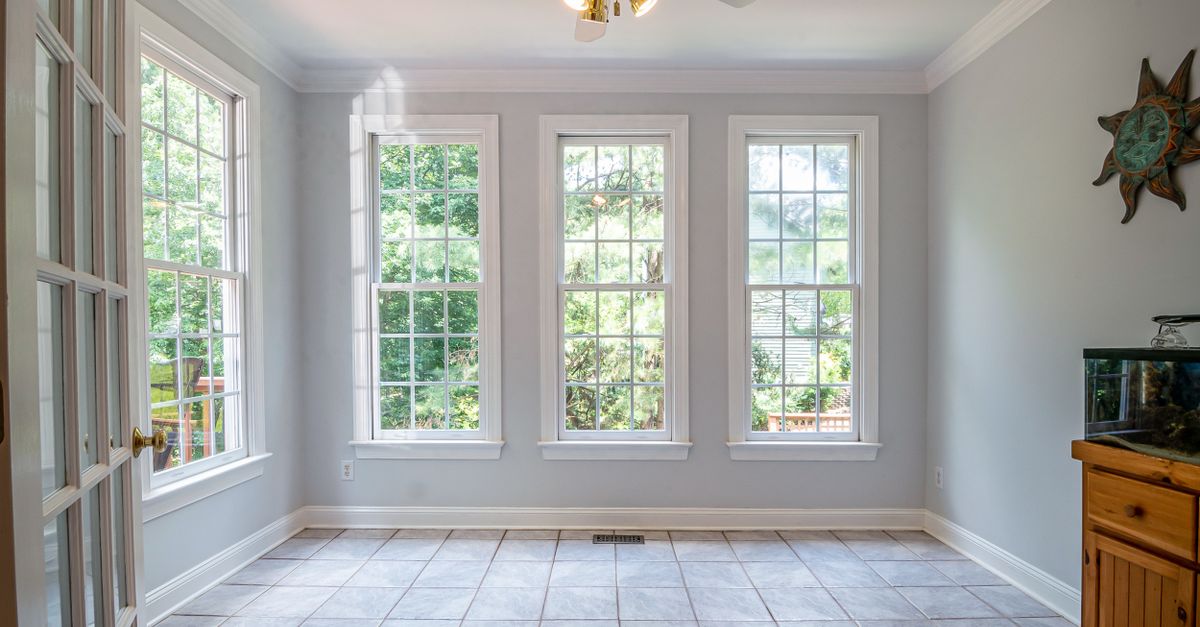
Why Your Home Still Feels Stuffy (Even After Opening Windows) — And What Actually Works for Real Freshness
You open the windows. You even turn on a fan. Yet, within an hour, that familiar, stale, almost heavy feeling creeps back into your home. It’s a frustrating cycle: you crave that crisp, clean air, but no matter what you do, your indoor environment still feels… stuffy. I’ve been there countless times in my own home, especially during shoulder seasons when the outdoor air isn’t quite hot enough for AC or cold enough for heat, but the inside feels stubbornly stagnant. For years, I believed fresh air was a simple matter of swapping indoor air with outdoor air. But in my experience, that’s a surface-level solution that misses the core problem. The truth is, genuine home freshness involves more than just a momentary breeze; it’s about actively managing the subtle forces that contribute to persistent staleness, even when you’re trying your best. The mistake I see most often is underestimating the hidden culprits that trap stale air and generate new sources of stuffiness faster than an open window can clear them.
Key Takeaways
- Open windows are a temporary fix; true freshness requires continuous air exchange and filtration.
- Hidden sources like dusty HVAC, leaky ducts, and dirty air filters actively reintroduce pollutants and stale air.
- Focus on controlled ventilation, targeted air purification, and regular deep cleaning of overlooked areas.
- Monitor indoor humidity and VOCs to address root causes of stuffiness, not just symptoms.
Your HVAC System is a Silent Saboteur (Or Your Greatest Ally)
When I first moved into an older house, I thought its stuffiness was just a charming quirk of age. I opened windows religiously. It barely helped. What changed everything for me was realizing my HVAC system, which I thought was just for heating and cooling, was actually a major player in my air quality drama. Most people treat their HVAC system as a set-and-forget appliance. The mistake? Thinking it only works when it’s actively heating or cooling. In reality, a properly managed HVAC system can be your most powerful tool for continuous air exchange, even when the outdoor temperature is mild.
The critical shift came when I learned about fan-only mode. Modern thermostats often have a ‘Fan’ setting that allows the blower to run continuously, circulating air even when the furnace or AC compressor isn’t engaged. I used to only set my fan to ‘Auto,’ meaning it only kicked on during heating or cooling cycles. Switching it to ‘On’ for at least a few hours a day, or even continuously, made a noticeable difference. It sounds simple, but this constant movement helps prevent air stratification and distributes filtered air throughout the house, reducing those pockets of stagnant, heavy air. Think of it as a subtle, constant breeze inside, rather than a frantic gust only when the temperature demands it.
Beyond the fan, the actual condition of your HVAC system is paramount. I discovered my ducts were leaky in several places, essentially sucking in dusty air from the attic and crawl space and blowing it straight into my living areas. A professional duct inspection and sealing, while an initial investment of about $500-$1500 for a medium-sized home, dramatically improved overall air freshness and even cut down on my dust problem. Furthermore, the type and cleanliness of your air filter are non-negotiable. I initially used cheap, fiberglass filters (MERV 1-4) that barely caught anything. Upgrading to a MERV 8-11 pleated filter, which I replace every 1-2 months, was a game-changer. These filters capture a significantly higher percentage of airborne particles, including dust, pollen, pet dander, and even some mold spores, reducing the very things that contribute to stuffiness. It’s not just about what the filter removes; it’s about what it stops from recirculating back into your breathing space.
The Overlooked Power of Exhaust Fans (Beyond Odors)
Most homeowners, myself included, think of exhaust fans solely for removing cooking odors from the kitchen or humidity from the bathroom. In my experience, this limited view dramatically underestimates their potential for active ventilation. These aren’t just single-purpose gadgets; they are powerful tools for targeted air removal, crucial for combating specific sources of indoor pollution and overall stuffiness.
Consider your kitchen exhaust fan. I used to only turn it on when cooking something smoky or particularly pungent. The reality is, even boiling water or light sautéing releases moisture, heat, and microscopic particles into the air. Running the kitchen exhaust fan (ideally one that vents outside, not just recirculates) for 15-20 minutes after cooking helps clear these invisible pollutants before they spread and settle, contributing to that stale kitchen smell that often pervades the rest of the house. For a high-quality, externally vented range hood, expect to pay anywhere from $200-$1000, but the impact on overall air freshness is immense. It’s an investment in active air removal rather than just dilution.
Similarly, bathroom exhaust fans are essential, not just for post-shower steam. That lingering damp smell after a shower isn’t just unpleasant; it’s a breeding ground for mold and mildew, significant contributors to a musty, stuffy home. I learned to run my bathroom fan for at least 30 minutes after every shower, and sometimes even longer if the humidity is high. For older, noisy fans, consider upgrading to a quiet, powerful model (rated by Sones, with lower numbers being quieter, typically 1.0 Sones or less) that vents directly outside. The installation cost for a new fan and ducting might be $250-$500, but it’s a small price to pay for preventing moisture-related stuffiness and potential mold issues that are far more costly to remedy. Regularly cleaning the fan’s grille is also crucial, as accumulated dust can impede airflow and become a source of re-circulated particles.
Hidden Moisture Traps and VOC Emitters: The Invisible Stink
Opening windows feels intuitive, but it won’t fix stuffiness caused by persistent moisture or off-gassing volatile organic compounds (VOCs). In my early days of trying to improve my home’s air, I focused solely on ‘air flow’ and completely missed these invisible culprits. What changed everything for me was a simple indoor air quality monitor, which revealed shockingly high humidity levels and intermittent spikes in VOCs, even in seemingly clean rooms. These are the silent saboteurs.
High humidity, ideally between 30-50%, is a breeding ground for mold, mildew, and dust mites, all of which contribute to a heavy, musty, and stuffy atmosphere. I learned that simply airing out the house for 15 minutes wasn’t enough if the underlying moisture problem wasn’t addressed. Basements, crawl spaces, and even poorly ventilated closets are prime culprits. For my damp basement, a dehumidifier running continuously became essential, reducing humidity from 70% down to a comfortable 45%. A good whole-house dehumidifier can cost $1000-$2500 installed, or a portable unit $200-$400, but it directly tackles the root cause of persistent dampness and its associated stuffiness. Beyond mechanical solutions, addressing leaky pipes (even minor drips!), ensuring proper grading around your foundation, and using moisture absorbers in small, enclosed spaces (like under sinks) can make a significant difference.
VOCs are another major contributor to that ‘new house’ smell, or the lingering odor after painting, cleaning, or even from new furniture. Many common household items, from cleaning products to scented candles, rugs, and even certain building materials, slowly off-gas chemicals into the air. When I realized my ‘fresh linen’ air freshener was actually adding VOCs, it was a wake-up call. The solution involved: 1. Choosing low-VOC or no-VOC paints and building materials. 2. Opting for natural cleaning products (vinegar, baking soda, lemon juice). 3. Airing out new furniture or decor outside for a few days before bringing it indoors. 4. Investing in a high-quality air purifier with an activated carbon filter to specifically target VOCs, in addition to a HEPA filter for particles. A reputable air purifier costs $150-$500, but it actively pulls these invisible pollutants out of the air, making the space feel genuinely cleaner and lighter.
The Surprising Impact of Textiles and Surfaces
When you think of a stuffy room, you often picture stale air. But in my journey to achieve genuine freshness, I discovered that the very surfaces and textiles in our homes can act as sponges and emitters for odors, dust, and microscopic particles, constantly reintroducing stuffiness into the air. It’s a common oversight to clean the air without thoroughly cleaning the surfaces that interact with it.
Carpets and rugs are notorious traps. They hold onto dust mites, pet dander, mold spores, and absorbed odors from cooking, pets, and even everyday foot traffic. While vacuuming regularly with a HEPA-filtered vacuum is a good start, it’s often not enough. For significant freshness, I now schedule professional carpet cleaning at least once a year ($100-$300 per room, depending on size) and regularly use a steam cleaner on smaller area rugs. What truly made a difference in my living room was replacing a wall-to-wall carpet with hard flooring and a washable area rug – an investment of $2,000-$5,000 for a typical room, but it drastically reduced the ‘heavy’ feeling in the air.
Beyond flooring, think about your curtains, upholstery, and decorative pillows. These fabric items absorb and release odors and dust just like carpets. A simple routine of vacuuming curtains and upholstery with a brush attachment, and regularly washing pillow covers and throw blankets (I aim for monthly), can prevent them from becoming stale air reservoirs. For items that can’t be easily washed, a fabric refresher spray with a genuine odor eliminator (not just a masking scent) can help. What changed everything for me was understanding that these items are part of the air quality equation, not separate from it. Regularly ventilating these textiles by opening windows on breezy days or even taking smaller rugs outside to beat them clean significantly improves the ambient air quality and prevents that perpetual ‘used air’ smell.
Rethinking Houseplants and Pet Care: More Than Just Greenery and Companionship
I used to believe the myth that a few houseplants would magically purify my entire home’s air. While they do offer some benefits, in my experience, the impact is often overstated, and neglecting their care can actually add to stuffiness. Similarly, while pets bring immense joy, their dander and odors are major contributors to persistent staleness if not managed proactively. What changed everything for me was adopting a more realistic and proactive approach to both.
For houseplants, the crucial insight is that a single plant has a negligible effect on overall air volume. To have a significant impact, you’d need hundreds of plants, turning your home into a jungle. However, healthy plants do contribute to a fresher feel. The mistake I made was overwatering, which leads to mold in the soil and attracts fungus gnats – both contributing to a musty, stuffy environment. I now ensure proper drainage, use well-draining potting mix, and only water when the top inch or two of soil is dry. Regularly wiping dust off large leaves also helps them photosynthesize more efficiently and prevents the dust itself from becoming an airborne irritant. Using self-watering pots or a moisture meter (around $10-$20) has drastically improved my plant health and, by extension, my immediate indoor air quality, preventing that earthy, damp smell of unhealthy soil.
When it comes to pet care, proactive management is non-negotiable for freshness. Pet dander is a microscopic irritant that settles everywhere and contributes significantly to stuffiness and allergens. In my experience, brushing my dog daily (preferably outdoors if possible, or with a vacuum-attachment brush) drastically reduced the amount of dander in the air. Regular bathing (every 2-4 weeks, depending on breed and activity) also helps. Beyond the pets themselves, their bedding, toys, and eating areas are sources of odor and dander. I wash pet beds weekly with an unscented, hypoallergenic detergent and clean food/water bowls daily. For cat owners, an enclosed litter box with a high-quality, odor-absorbing litter, scooped multiple times a day, is essential. Investing in a HEPA-filtered vacuum specifically designed for pet hair (often $200-$500) and running a dedicated pet-specific air purifier near main pet areas can reduce airborne dander by up to 99%, making a profound difference in the overall freshness of your home.
Frequently Asked Questions
Q: How often should I open my windows to get rid of stuffiness?
A: While opening windows is good, it’s often a temporary solution. Aim for 10-15 minutes, twice a day, especially to create a cross-breeze. However, for true freshness, you need to combine this with continuous indoor air management, like running your HVAC fan, using exhaust fans, and addressing hidden pollutants. Simply opening windows won’t solve underlying issues like high VOCs or excessive humidity.
Q: Are air fresheners or scented candles good for making my home smell fresh?
A: In my experience, most air fresheners and scented candles are counterproductive for genuine freshness. They release Volatile Organic Compounds (VOCs) and particulate matter that mask odors but don’t eliminate them, and can actually contribute to stuffiness and poor indoor air quality. Focus on eliminating odor sources and improving ventilation instead. If you want a pleasant scent, consider essential oil diffusers with pure oils, or natural potpourri, but always prioritize clean air.
Q: My home feels stuffy only in certain rooms. What should I do?
A: Targeted strategies are key here. First, identify potential sources in that specific room: is there new furniture off-gassing, old carpet, pet bedding, or a lack of air circulation? Check if HVAC vents are open and unobstructed. Use a portable air purifier in that room, and if possible, run a small fan to help circulate air towards a return vent or open window. Consider a dehumidifier if humidity is high in that specific area, like a basement room.
Q: Can certain cleaning products cause stuffiness?
A: Absolutely. Many conventional cleaning products contain strong chemicals that off-gas VOCs, contributing to that heavy, ‘chemical’ smell that can feel stuffy and irritate airways. In my experience, switching to natural, unscented cleaning products (vinegar, baking soda, castile soap, lemon juice) or brands specifically labeled ‘green’ or ‘low-VOC’ made a significant difference in how genuinely fresh my home felt after cleaning.
Q: How can I tell if my stuffiness is due to humidity or VOCs?
A: The best way to differentiate is with an indoor air quality monitor. These devices, readily available online for $50-$200, can measure temperature, humidity, and often total VOCs (tVOC). If humidity consistently reads above 50-60%, that’s likely a primary culprit. If the tVOC levels spike after using certain products or bringing in new items, then VOCs are playing a role. Without a monitor, humidity often presents as a damp, heavy, or clammy feeling, while high VOCs can cause a chemical or ‘new smell’ sensation, sometimes accompanied by headaches or eye irritation.
Achieving true home freshness is less about quick fixes and more about understanding the interconnected systems that govern your indoor air quality. By moving beyond simply opening windows and embracing a holistic approach – optimizing your HVAC, utilizing exhaust fans effectively, addressing hidden moisture and VOCs, and managing textiles and pet dander – you can transform your home from perpetually stuffy to genuinely fresh and inviting. It’s an ongoing process, but the payoff in comfort, well-being, and a truly clean-feeling home is immeasurable. Start with one area, implement a targeted change, and feel the difference for yourself.
Written by Sarah Ellison
Home efficiency, decluttering, and mindful living
A former lifestyle editor with a keen eye for practical home solutions and personal organization.
You Might Also Like

Why Your Home Still Feels Stale (Even After Cleaning) — And What Actually Works for Real Freshness
Discover why your home still feels stale after cleaning and learn practical, non-obvious strategies for true, lasting freshness.

The Hidden Health Hazard: Why Your Home Humidifier Might Be Secretly Making You Sick (And What to Do Instead)
Your humidifier might be making you sick. Discover the hidden health hazards and learn what actually works for healthy indoor air quality.
The Hidden Health Hazard: Why Your Home Humidifier Might Be Secretly Making You Sick (And What to Do Instead)
Your humidifier could be a health risk if not maintained correctly. Learn why and what specific steps to take for cleaner air and better health.