Why Your Meal Plan Fails Most People (And What Actually Works for Sustainable Eating)
You’ve done it before, right? Sat down on a Sunday, Pinterest board open, determined to finally get your eating right this week. You meticulously plan out breakfasts, lunches, and dinners, perhaps even snacks. You brave the grocery store with your perfectly categorized list, come home, and maybe even do a little bit of chopping or pre-cooking. And for a day or two, it’s great. You feel organized, virtuous, and in control.
Then Wednesday rolls around. Or Thursday. Maybe Friday, if you’re particularly disciplined. A late meeting, a sudden craving, or just the sheer exhaustion of another week hits, and suddenly that carefully crafted meal plan is out the window. You’re ordering takeout, grabbing something convenient (and probably not on your plan), or staring blankly into the fridge, wondering why you even bothered. If this sounds like your experience, you’re not alone. The vast majority of people who attempt rigid meal planning ultimately fail, not because they lack willpower, but because the conventional approach to meal planning is fundamentally flawed for real life.
In my experience, the biggest mistake most people make isn’t in what they plan to eat, but how they approach the planning itself. They treat it like a static blueprint in a dynamic world, ignoring the very human elements of craving, spontaneity, stress, and plain old boredom. What starts as a tool for control often becomes another source of stress and guilt. But it doesn’t have to be this way. I’ve spent years helping people cultivate sustainable eating habits, and what I’ve learned is that the secret isn’t more discipline, but more flexibility and understanding of your own patterns. It’s about building a system that bends without breaking, a system that supports your well-being rather than dictating it.
Key Takeaways
- Rigid meal plans fail because they don’t account for real-life variables like cravings, changing schedules, and spontaneity.
- The ‘Meal Component Method’ (planning individual ingredients, not full meals) offers flexibility and reduces decision fatigue.
- ‘Theme Nights’ simplify meal choice without locking you into specific recipes, fostering creativity and reducing boredom.
- Stocking an ‘Emergency Meal Shelf’ ensures healthy options are always available when unexpected events disrupt your plan.
- Practicing ‘Mindful Planning’ involves regular check-ins with your energy, hunger, and preferences to adapt your strategy.
The Flaw of the Fixed Blueprint: Why Rigidity Kills Consistency
The most common reason meal plans fail is their inherent rigidity. We often approach meal planning like we’re drafting an architectural blueprint: every detail fixed, every component specified. We decide on Monday’s grilled chicken and broccoli, Tuesday’s lentil soup, Wednesday’s pasta primavera, and so on. This works beautifully in theory, but life rarely unfolds according to a static schedule.
Think about it: have you ever woken up on a Tuesday morning, looked at your plan for lentil soup, and thought, ‘Absolutely not, I need something completely different’? Or had a stressful day at work, and the idea of cooking a multi-step recipe feels like climbing Mount Everest? Your cravings, energy levels, and even your mood fluctuate daily. A fixed plan ignores this fundamental human reality. It sets you up for failure by creating a direct conflict between your planned self and your present self.
Another issue with a fixed blueprint is the sheer decision fatigue it can introduce. While the initial planning seems to reduce decisions, the pressure to stick to the plan, even when it doesn’t align with your current needs, becomes a new, heavy decision. You’re constantly weighing ‘should I follow the plan?’ against ‘what do I actually want/need right now?’ This internal battle is exhausting and often leads to giving up altogether. In my coaching practice, I’ve seen countless individuals abandon healthy eating goals not because they don’t want to eat well, but because the system they adopted was too inflexible for their real, messy, wonderful lives.
The ‘Meal Component Method’: Building Blocks, Not Full Meals
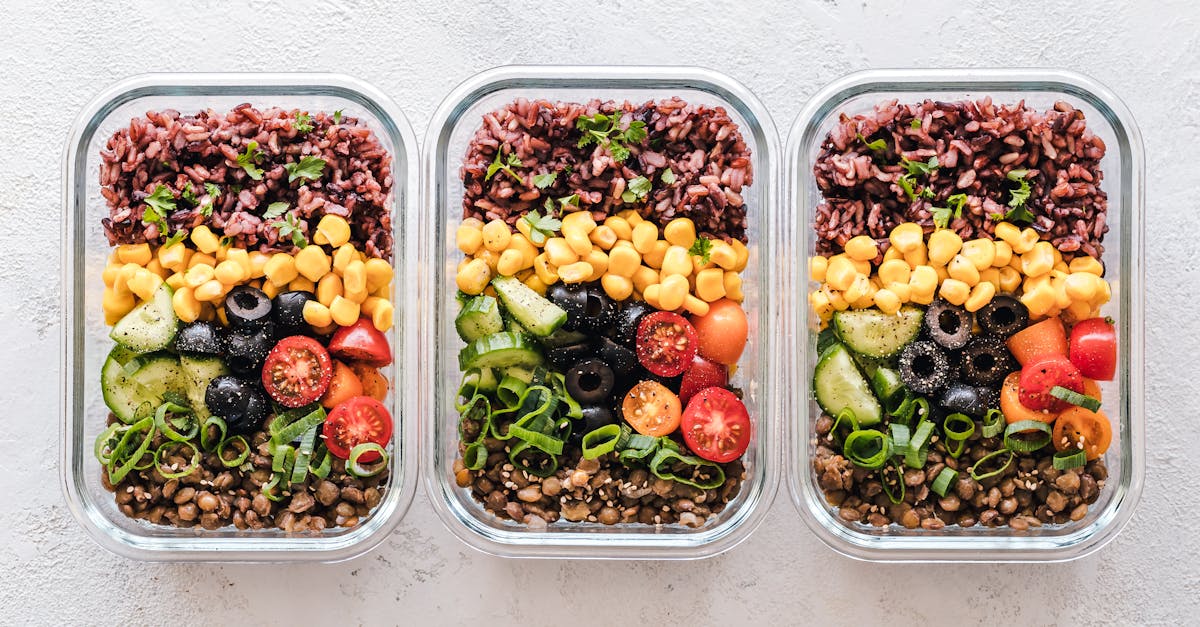
What changed everything for me and for many of my clients was shifting from planning full meals to planning meal components. Instead of writing down “Monday: Chicken Stir-fry with Brown Rice and Broccoli,” I now list the individual building blocks I want to have on hand for the week. This strategy dramatically increases flexibility and reduces decision fatigue.
Here’s how it works:
- Protein Source (2-3 options): Cook a batch of chicken breast, hard-boiled eggs, pre-marinate some tofu, or have canned tuna/beans on hand.
- Complex Carbohydrate (2 options): Cook a large batch of quinoa, brown rice, roasted sweet potatoes, or a pot of whole wheat pasta.
- Vegetables (3-4 options): Wash and chop raw veggies for salads, roast a tray of seasonal vegetables, steam some broccoli, or have bags of frozen mixed vegetables.
- Healthy Fats/Flavor Boosters: A good vinaigrette, avocado, nuts/seeds, hummus, or a flavorful sauce.
With these components prepped or readily available, you can mix and match endlessly throughout the week. Feeling like a salad? Combine greens, chicken, quinoa, and a vinaigrette. Craving something warm? Sauté some pre-chopped veggies with tofu, add rice, and a dash of soy sauce. The possibilities are vast, and the actual assembly takes minutes. This method respects your dynamic needs by allowing you to build a meal based on your current craving, energy, and available time, rather than forcing you into a pre-determined box. It’s about having the ingredients for healthy eating ready, not the exact meal.
The Power of ‘Theme Nights’: Structure Without Strictness
Boredom is a silent killer of meal plans. Eating the same six planned meals on rotation can quickly make healthy eating feel like a chore. That’s where theme nights come in, offering a fantastic balance of structure and variety. Instead of rigidly assigning specific recipes, you assign a type of meal to each night of the week.
Here are some popular examples:
- Meatless Monday: Experiment with plant-based dishes like lentil curry, bean burgers, or a big veggie pasta.
- Taco Tuesday: Tacos, burritos, or burrito bowls – the fillings can change weekly, but the theme is consistent.
- Wok Wednesday: Stir-fries, fried rice, or noodle dishes. Fast, versatile, and great for using up leftover veggies.
- Pasta Thursday: Endless pasta possibilities, from quick aglio e olio to a hearty bolognese (or a lentil version).
- Pizza/Flatbread Friday: Homemade pizza, flatbreads, or even pita pizzas with different toppings.
- Soup/Stew Saturday: Perfect for batch cooking a comforting soup or stew.
- Sunday Supper/Leftover Remix: A more elaborate meal, or a creative way to use up all the components from the week.
This approach reduces decision fatigue because the category is set. You don’t have to brainstorm what to eat; you just have to choose a recipe within the theme. This ignites creativity, encourages trying new dishes, and keeps eating exciting. You can still use your pre-prepped components within these themes, making assembly even faster. For example, leftover roasted chicken can become chicken tacos on Tuesday, or be added to a stir-fry on Wednesday. It’s a framework that supports delicious, diverse, and healthy eating without the psychological burden of a rigid plan.
The ‘Emergency Meal Shelf’: Your Safety Net for Unexpected Moments
Life happens. You’ll have days when your energy is zapped, an impromptu plan comes up, or your carefully defrosted chicken is still rock-solid. These are the moments where conventional meal plans crumble, leading to guilt and off-plan eating. This is precisely why you need an Emergency Meal Shelf (or freezer section, or designated cupboard).
This isn’t just about having food on hand; it’s about having pre-planned, healthy, minimal-effort meals that require little to no fresh ingredients or cooking time. Think of it as your culinary bailout fund. When the motivation to cook your planned meal vanishes, you won’t resort to ordering a greasy pizza; you’ll turn to your emergency options.
Examples of emergency meal components:
- Canned Goods: High-quality canned soups (low sodium), beans (chickpeas, black beans), diced tomatoes, tuna, salmon.
- Dry Goods: Whole grain pasta, instant brown rice or quinoa cups, ramen noodles (dress them up with your own fresh additions).
- Frozen Meals: Healthy frozen entrées (look for minimal ingredients, good protein/fiber), frozen veggie burgers, pre-cooked frozen shrimp, frozen chopped vegetables (for a quick stir-fry).
- Pantry Staples: Jarred pasta sauce, salsa, whole grain crackers, nut butters.
Having these items on hand with a clear mental (or even written) plan for how to combine them is a game-changer. For example, a can of black beans + salsa + instant brown rice = a quick burrito bowl. Whole wheat pasta + jarred sauce + canned tuna = a fast, balanced meal. The key is to have a few go-to combinations that you know you can whip up in 15 minutes or less, without having to think. This strategy eliminates the ‘nothing to eat’ panic that often leads to unhealthy choices, providing peace of mind and supporting your long-term healthy eating goals.
Mindful Planning: Regularly Checking In with Yourself
Even with the flexibility of components and theme nights, true sustainable eating requires mindful planning – which means regularly checking in with yourself. A common mistake is to create a plan and then abandon it only when things go wrong. Instead, integrate small, intentional check-ins throughout your week.
Before you go grocery shopping each week, don’t just copy last week’s list. Take 10-15 minutes to reflect:
- What was your energy like last week? Did you find yourself too tired to cook elaborate meals? Plan for more quick-assembly options this week.
- What were your cravings? Did you desperately want pasta when your plan said salad? See how you can incorporate those cravings healthily into the next week’s components or themes.
- Are there any known schedule changes? A late meeting, a social event, or a kid’s activity that will cut into cooking time? Adjust your plan accordingly, perhaps relying more on emergency meals or simpler components for those specific days.
- What ingredients are about to go bad? Plan meals around using those up first to reduce waste.
- What new recipes or flavors are you excited about? Incorporate one or two new elements to keep things fresh and interesting.
This isn’t about being perfect; it’s about being responsive. Your meal plan isn’t a dictator; it’s a helpful assistant. By mindfully adjusting your plan based on real-time feedback, you create a living document that truly serves your needs, making healthy eating feel effortless rather than restrictive. This iterative approach builds self-awareness around your eating patterns and preferences, which is the cornerstone of truly sustainable health.
Frequently Asked Questions
How often should I meal plan?
I recommend planning once a week, typically on a Sunday. This allows you to assess the previous week, grocery shop, and do any initial prep. However, ‘planning’ with the Component Method or Theme Nights is much faster than traditional recipe-by-recipe planning, often taking only 15-30 minutes for the week.
What if I get bored of my ‘theme nights’?
The beauty of theme nights is their flexibility within the theme. If ‘Taco Tuesday’ is getting stale, try different cuisines: Korean beef tacos, fish tacos, sweet potato and black bean tacos. Or, completely change the theme for a month! Swap ‘Wok Wednesday’ for ‘Stir-fry Saturday’ and introduce ‘Sheet Pan Supper Sunday.’ The idea is a category, not a specific recipe, so you have endless variations.
How do I deal with picky eaters or different dietary needs within the family?
The Meal Component Method is fantastic for this. You can prep a common base (like rice or quinoa) and then offer various proteins and vegetables. One person can have chicken and broccoli, another tofu and roasted peppers. Theme nights also work well: everyone can build their own taco or choose their pasta sauce. This reduces the burden on the primary cook and empowers everyone to eat what they enjoy within a healthy framework.
Won’t prepping components take a lot of time on my ‘prep day’?
It can, but it’s an investment that pays off throughout the week. Start small: maybe just cook a batch of grain and chop some veggies. As you get comfortable, you can add more. Remember, even 30 minutes of intentional prep on a Sunday can save you hours of scattered decision-making and cooking time during busy weekdays. You can also leverage convenience items like pre-chopped vegetables or rotisserie chicken to reduce prep time.
What if I waste food with the component method if my cravings change?
This is a valid concern, but often less food is wasted than with rigid meal plans. With components, you’re not committed to a specific meal. If you don’t feel like chicken and rice one day, you can always use those components in a different combination or freeze the cooked protein/grain for a later date. Also, remember your ‘Emergency Meal Shelf’ for those days where your fresh components aren’t what you need, ensuring nothing goes to waste while still eating healthily.
Conclusion: Embrace Flexibility, Find Freedom
Stop blaming yourself for failing at rigid meal plans. The fault isn’t with your willpower; it’s with an outdated, inflexible system. By adopting a more dynamic approach that respects the complexities of real life, you can transform your relationship with food and make healthy eating an enjoyable, sustainable part of your routine. Embrace the Meal Component Method, inject fun with Theme Nights, build a reliable Emergency Meal Shelf, and practice Mindful Planning. This isn’t just about what you eat; it’s about creating a system that truly supports your well-being, reduces stress, and liberates you from the cycle of meal planning failure. Take that first step this week: choose one theme night, or prep just two versatile components. The freedom (and delicious food) awaits.
Written by Chloe Wong
Practical nutrition, stress management, and everyday well-being
A wellness advocate and foodie who believes small dietary and lifestyle changes yield significant health benefits.
You Might Also Like

Why Your Home Still Feels Stale (Even After Cleaning) — And What Actually Works for Real Freshness
Discover why your home still feels stale after cleaning and learn practical, non-obvious strategies for true, lasting freshness.
Why Your Home Still Feels Stuffy (Even After Opening Windows) — And What Actually Works for Real Freshness
Discover why opening windows isn't enough for true home freshness. Learn actionable strategies to improve indoor air quality and eliminate stuffiness.

The Hidden Health Hazard: Why Your Home Humidifier Might Be Secretly Making You Sick (And What to Do Instead)
Your humidifier might be making you sick. Discover the hidden health hazards and learn what actually works for healthy indoor air quality.